Breathing is one of the most challenging aspects of swimming. Whether you’re new to the water or a seasoned swimmer, learning to breathe properly can make a huge difference in your performance.
Improper breathing can leave you feeling out of breath, fatigued, and as if you’re carrying unnecessary weight—almost like swimming with a walrus on your back!
Luckily, mastering your breathing technique can turn that struggle into smooth, efficient swimming.
In this guide, we’ll cover key tips for breathing effectively while swimming, so you can swim longer, faster, and more comfortably.
1. The Basics: Inhale Through Your Mouth, Exhale Through Your Nose
When it comes to swimming, the way you breathe is quite different from land-based activities. While activities like yoga and meditation teach us to breathe in and out through the nose, swimming flips this process.
Here’s how to breathe in the water:
- Inhale through your mouth while your face is above the water.
- Exhale through your nose when your face is submerged.

This might feel awkward at first, but mastering it on land will make it easier in the pool. Practice this simple exercise: take a deep breath in through your mouth, then exhale slowly through your nose. Once you get comfortable with this out of the water, you can start applying it during your swim.
2. Don’t Rush: Take Full, Deep Breaths
A common mistake many swimmers make is taking shallow breaths. This often happens when you’re nervous or fatigued, leading to quick, shallow gasps for air. Instead, focus on taking full, deep breaths to maximize the oxygen you’re getting.
When swimming, maintain a calm and relaxed state, even if you’re tired. If you’re too tense, you’ll struggle to breathe properly, which will tire you out faster. If you’re feeling anxious, take a few deep breaths while resting at the wall to reset your rhythm.

3. Avoid Over-Kicking: Save Energy for Breathing
Your legs require a lot of blood flow when kicking, which can drain your energy quickly. Over-kicking is a common mistake that leaves swimmers gasping for air. Instead of relying on constant, powerful kicks, try to relax your legs and allow them to glide with your body’s natural movement. You’ll conserve energy, making it easier to maintain steady breathing and swim longer distances without feeling winded.

4. Body Position and Rotation: Key to Easier Breathing
Proper body position is crucial for efficient breathing in freestyle swimming. To reduce resistance and maintain balance, focus on these key elements:
- Keep your head looking down towards the bottom of the pool.
- Rotate your body as you take each stroke, allowing your head to turn naturally with your body’s movement.
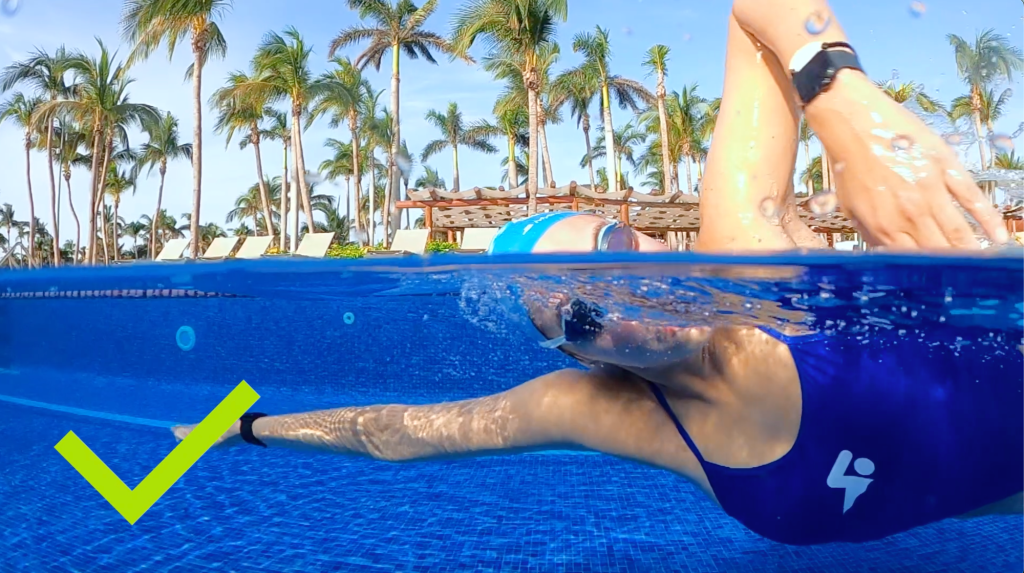
When you rotate, aim to keep one eye and one ear in the water and the other just above it. This technique helps you avoid lifting your head too far out of the water, which can throw off your balance and waste energy. As you rotate, exhale through your nose, then inhale quickly through your mouth before returning to your stroke.

5. Breathing Cadence: Find Your Rhythm
Finding the right breathing cadence is another important factor in swimming efficiently. Many swimmers wonder how often they should breathe. The answer varies depending on your stroke rate, but here’s a good rule of thumb:
- Breathe every two strokes. This ensures you’re getting enough oxygen without disrupting your stroke pattern.
- Some swimmers can get by breathing every three or four strokes, but this can lead to an oxygen deficit, especially in longer swims.
The key is to maintain a rhythm that works for you while still cycling through enough oxygen to fuel your muscles.

6. Practice Bilateral Breathing for Balance
While you may prefer breathing on one side, it’s important to practice bilateral breathing—breathing on both sides—to develop a more balanced stroke. Not only does this help prevent muscle imbalances, but it also allows you to adapt better to different swim conditions, like open water where waves or other swimmers may limit your breathing to one side.
Try incorporating bilateral breathing into your drills, such as breathing every three strokes to switch sides.
7. Relax Your Body: Less Tension, More Efficiency
One of the biggest challenges in swimming is learning how to relax. If you’re constantly tense, you’ll expend unnecessary energy, making it harder to breathe. Think of your body as a torpedo gliding through the water. While you need a certain level of core tension to maintain a streamlined position, overdoing it can cause you to fatigue quickly.
A helpful drill is to push off the wall in a streamlined position and focus on floating without adding extra movements. This will help you become more comfortable in the water and conserve energy for better breathing.

8. Flip Turns and Breath Control
If you’re doing flip turns, they can be challenging, especially when it comes to managing your breath. Many swimmers hold their breath going into the turn, only to come out gasping for air. The key is to anticipate the turn and take a breath just before you initiate it. This way, you’ll enter the flip turn with enough air, and can exhale through your nose during the turn, leaving you ready to take your next breath after pushing off the wall.

Final Thoughts
Mastering how to breathe while swimming is essential for improving your overall performance and endurance. Remember, the goal is to find a rhythm that allows you to breathe comfortably without sacrificing technique. Focus on inhaling through your mouth, exhaling through your nose, and maintaining a steady breathing pattern.
With practice, these breathing techniques will become second nature, helping you swim faster, longer, and more efficiently.
Happy swimming!
Virtual Swim Coaching
If you’re interested in more 1-on-1 support in your swim training, check out The MySwimPro Swimming Academy.